Saturday, March 22, 2014

Debate between companion of al-Sadiq (as) and Imam Abu Hanifah on al-Mutah

[...] Abu Hanifah once asked Abu Ja'far Muhammad Ibn al-Nu’man Sahib al-Taq saying, ‘O Abu Ja'far, what do you say about al-Mut‘ah ? Do you think it is lawful?’ He replied, ‘Yes, it is lawful.’ He then said, ‘Why then do you not ask your women to go for al-Mut‘ah and earn for you?’ Abu Ja’far said, ‘All kinds of skills are not desirable even if they are lawful, because people have their values and positions which raise their values. However, what do you say O Abu Hanifah, about al-Nabidh (wine from dates)? Do you think it is lawful?’ He replied, ‘Yes, it is lawful.’ He then said, ‘What prevents you from making your women sit in shops as al-Nabidh sellers to sell al-Nabidh to earn for you?’ Abu Hanifah said, ‘This is one for one and your share is more effective.’ He then said, ‘O Abu Ja‘far, the verse in which there is “one asking a question asked” (Chapter 70) speaks of unlawfulness of al-Mut‘ah (advantageous marriage) and Hadith from the Holy Prophet (saw) has come to cancel it.’ Abu Ja’far said, ‘O Abu Hanifah, the chapter “one asking a question asked” was revealed in Makkah and the verse that speaks of al-Mut‘ah was revealed in al-Madinah and Hadith you spoke of is atypical and refuted.’ Abu Hanifah then said, ‘The verse about inheritance also speaks of cancellation of al-Mut‘ah.’ Abu Ja‘far, said, ‘Proof of lawfulness of marriage is without inheritance.’ Abu Hanifah said, ‘On what basis you say so?’ Abu Ja‘far, asked, ‘If a Muslim marries a woman from the people of the book then he dies what do you say about her?’ He said, ‘She will not inherit him.’ Abu Ja‘far, said, ‘So marriage is proved without inheritance. They then departed each other.’”

9949 - 8 - علي رفعه قال: سأل أبوحنيفة أبا جعفر محمد بن النعمان صاحب الطاق فقال له:
يا أبا جعفر ماتقول في المتعة أتزعم أنها حلال؟ قال: نعم، قال: فما يمنعك أن تأمر نساءك أن يستمتعن ويكتسبن عليك، فقال له أبوجعفر: ليس كل الصناعات يرغب فيها وإن كانت حلالا وللناس أقدار ومراتب يرفعون أقدارهم ولكن ماتقول يا أبا حنيفة في النبيذ أتزعم أنه حلال؟ فقال: نعم، قال: فما يمنعك أن تقعد نساءك في الحوانيت نباذات فيكتسبن عليك؟ فقال أبوحنيفة: واحدة بواحدة وسهمك أنفذ ثم قال له: ياأباجعفر إن الاية التي في سأل سائل (3) تنطق بتحريم المتعة والرواية عن النبي (صلى الله عليه وآله) قد جاءت بنسخها، فقال له أبوجعفر: يا أبا حنيفة إن سورة سأل سائل مكية وآية المتعة مدنية وروايتك شاذة ردية، فقال له أبوحنيفة: وآية الميراث أيضا تنطق بنسخ المتعة، فقال أبوجعفر: قدثبت النكاح بغير ميراث، قال أبوحنيفة: من أين قلت ذاك؟ فقال أبوجعفر: لو أن رجلا من المسلمين تزوج امرأة من أهل الكتاب ثم توفي عنها ماتقول فيها؟ قال: لاترث منه، قال: فقد ثبت النكاح بغير ميراث ثم افترقا.


Note: Sunnis call him Shaytan al-Taq, and us call him Mu'min al-Taq (according to Sheikh al-Tusi in his Firhist) and this story is also narrated by Sunnis and al-Dhahabi (in Siyar A'lam al-Nubalaah, Vol.10, Page 553) talked about him as being an Extreme Shia and he (al-Dhahabi) also say that he is counted as from the Ashab (companion) of Imam al-Sadiq (as).

We will first see what a great Sunni scholar said about him and then see what our scholars said.

Muhammad Ibn Nu'man
al-Ahwal, Iraqi Extreme Shi'i, Shias call him by Mumin al-Taq.
He is counted from the companion of Ja'far Ibn Muhammad.
He made the book al-Imamah, and the book al-Rad Alah al-Mu'atazilah, and the book Talha wa Aisha
[...]
محمد بن النعمان 
الأحول ، عراقي شيعي جلد ، يلقبه الشيعة بمؤمن الطاق . 
يعد من أصحاب جعفر بن محمد . 
صنف كتاب " الإمامة " ، وكتاب " الرد على المعتزلة " ، وكتاب [ ص: 554 ] " طلحة وعائشة " ، وكتاب " المعرفة " ، وكتاب " في أيام هارون الرشيد " . ومنهم النجار الأستاذ أبو عبد الله : 


On Abi Ja'far al-Ahwal Muhammad Ibn Ali Ibn Nu'man Mumin al-Taq

[...] From Abi 'Abdillah (as) who said : Four are the most beloved people to me alive or dead, Yazid Ibn Mu'awiyah al-'Ijli, Zurarah Ibn A'yan, Muhammad Ibn Muslim and Abu Ja'far al-Ahwal, [they are] the most beloved people to me alive or dead.
326- حمدويه، قال حدثني محمد بن عيسى بن عبيد و يعقوب بن يزيد، عن ابن أبي عمير، عن أبي العباس البقباق، عن أبي عبد الله (عليه السلام) أنه قال : أربعة أحب الناس إلي أحياء و أمواتا، بريد بن معاوية العجلي و زرارة بن أعين و محمد بن مسلم و أبو جعفر الأحول، أحب الناس إلي أحياء و أمواتا.

Muhammad Ibn Nu'man al-Ahwal, he was nicknamed Mumin al-Taq, he is from the companion of Abi Abdallah Ja'far Ibn Muhammad (as) he was eloquent [...]
محمد بن النعمان الأحول ، ويلقب بشيطان الطاق ! والشيعة تلقبه بمؤمن الطاق ، من أصحاب أبي عبدالله جعفر بن محمد عليهما السلام ، وكان متكلماً ، حاذقاً ، حاضر الجواب
- Fihrist al-Tusi, Page 121-122

The prayer of the oppressed

How important is the oppressed and the father in Islam, and how God Almighty look at them.

From Abi 'Abdillah (as) who said : "The Messenger of God has said, "Beware of the prayer of an oppressed; it climbs over the cloud and God looks at it and says, "Raise it up so it is accepted,” and beware of the prayer of a father; it is sharper than a sword."
3 علي بن إبراهيم، عن أبيه، عن النوفلي، عن السكوني، عن أبي عبدالله (عليه السلام) قال: قال رسول الله (صلى الله عليه وآله): إياكم ودعوة المظلوم فإنها ترفع فوق السحاب (2)
حتى ينظرالله عزوجل إليها فيقول: ارفعوها حتى أستجيب له، وإياكم ودعوة الوالد فإنها أحد من السيف.

- Usul al-Kafi, Vol.2, Page 509 Hadith Number 3

Acts of worship according to Rasululah (saw)

From al-Amali of Sheikh al-Tusi [...] From Abi Dharr (rah) from the Prophet (saw) who said : "Looking at Ali Ibn Abi Talib (as) is an act of worship, looking at your parent with innocence and compassion is an act of worship, looking at the paper (i.e Cover) meaning the paper of Quran is an act of worship and looking at the Ka'bah is an act of worship."

24-   ما، [الأمالي للشيخ الطوسي] جماعة عن أبي المفضل عن محمد بن محمد بن معاذ عن أحمد بن المنذر عن الوهاب عن أبيه همام بن نافع عن همام بن منبه عن حجر يعني المدري عن أبي ذر عن النبي ص قال النظر إلى علي بن أبي طالب ع عبادة و النظر إلى الوالدين برأفة و رحمة عبادة و النظر في الصحيفة يعني صحيفة القرآن عبادة و النظر إلى الكعبة عبادة .


Note : Act of worship i.e 'Ibadah عبادة

Can your parent look at you naked and otherwise?

Abu Abdillah (as) said that the Messenger of Allah (saw) said "A man must not enter a bathhouse with his son where he can look at his private parts.’ He (the Imam) said, ‘Parents cannot look at the private parts of their children, and children cannot look at the private parts of their parents.’ He (the Imam) then said, ‘The Messenger of Allah has cursed the looking and the one being looked at in a bathhouse when one is without a loincloth."
 (12826 36) الحسين بن محمد، عن معلى بن محمد، عن أحمد بن محمد بن عبدالله، عن محمد بن جعفر، عن بعض رجاله، عن أبي عبدالله (عليه السلام) قال: قال رسول الله (صلى الله عليه وآله): لا يدخل الرجل مع ابنه الحمام فينظر إلى عورته، وقال: ليس للوالدين أن ينظرا إلى عورة الولد وليس للولد أن ينظر إلى عورة الوالد، وقال: لعن رسول الله (صلى الله عليه وآله) الناظر والمنظور إليه في الحمام بلا مئزر.

Monday, December 30, 2013

The Fornication (al-Zinah) of Aisha ...

Sheikh al-Kulayni (rah) believed that Aisha performed Zinah, and he also quoted a hadith as well as Ali Ibn Ibrahim al-Qummi (rah) on this matter. Both of these great men were pillars for Shia’ism, and both believed that Aisha was a perverted woman.

Sh. al-Kulayni (rah) quotes from Imam al-Baqir (as):

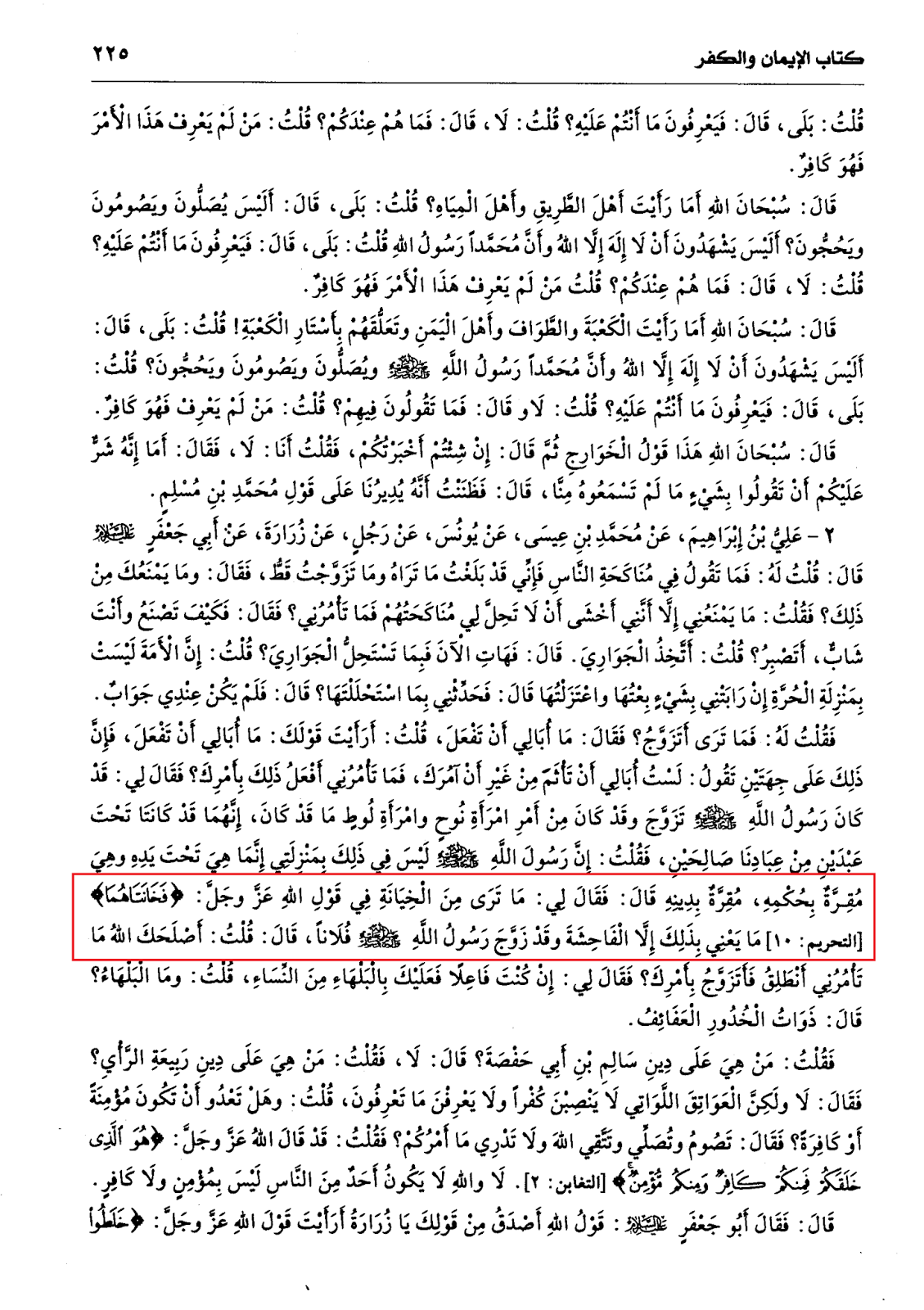
The Imam asked: “What do you think of unfaithfulness in the words of Allah, the Most Majestic, the Most Holy, ‘They both were unfaithful to the two of them.’ (66:9) He does not mean thereby anything other than obscenity (Fahisha here means Zinah). The Messenger of Allah had married so and so (Aisha and Hafsa).
: فقال لي: ما ترى من الخيانة في قول الله عزوجل " فخانتاهما (3) " ما يعني بذلك إلا الفاحشة (4) وقد زوج رسول الله (صلى الله عليه وآله) فلانا،

Note: He (Sh. al-Kulayni) quoted this two times in his great book and we have quoted only the important part of the great narration that takes up two pages.
- Usul al-Kafi, Vol.2, Page 402-403, Hadith Number 2


- Furu' al-Kafi, Vol.5, Page 350, Hadith Number 12


The second part (of the Vol.5, Page 350) Sh. al-Kulayni or the narrator of it didn't quote it all:
 إلا في قول الله عز وجل: (فخانتاهما) ما عنى بذلك إلا (2) وقد زوج رسول الله (صلى الله عليه وآله) فلانا،
Except from the words of Allah, the Most Majestic, the Most Holy, ‘They both were unfaithful to the two of them.’ (66:9) He does not mean thereby anything other than (2) The Messenger of Allah had married so and so (Aisha and Hafsa).

And this is well explained in the footnote of Kitab al-Kafi (Dar al-Kitab al-Islamiyah دار الكتب الاسلامية) by Ali Akbar al-Ghafari where he say:
(2) The part that has been removed is "except obscenity and betrayal" as the author has narrated in the Volume 2 of the book Page 402 Chapter al-Dhalal, the second narration.
(2) المستثنى محذوف تقديره الا الفاحشة والخيانة كما رواه المؤلف في المجلد الثاني من الكتاب ص 402 باب الضلال الحديث الثاني.
- Number 2 of the Footnote of Furu' al-Kafi, Vol.2, Page 402

In another version, the commentator Muhammad Ja'far Shams al-Din of al-Kafi (Dar al-Ta'arif al-Mabtu'at دار التعارف للمطبوعات) says the same thing.
(2) The part has been removed and it is "obscenity"
(2) المستثنى محذوف، وهو الفاحشة


In another version, the commentator 'Allamah Sheikh Muhammad Jawad al-Faqih (my own copy of Furu' al-Kafi) he reports the same thing.

(2) The part that has been removed is "except obscenity and betrayal" as the author has narrated in the Volume 2 of the book Page 399 Chapter al-Dhalal, the second narration.
(2) المستثنى محذوف تقديره الا الفاحشة والخيانة كما رواه المؤلف في المجلد الثاني من الكتاب ص 402 باب الضلال الحديث الثاني.

'Allamah Baqir al-Majlissi (rah) says and explains on the second Hadith of the Vol.5, Page 402, Hadith Number 12:
Muwathaq (i.e. all of its narrators are Thiqa 'trustworthy')
(الحديث الثاني عشر) (6): موثق.

(2) This part was removed from the copy or it may be possible that he said (as) (just) : "He does not mean thereby anything other" which the next part explains it more 'in the word of Allah that "They both were unfaithful to the two of them."'.
 (2) هنا سقط من النساخ أو هو مقدر أي قال عليه السلام:" أما و الله أخبرني ما عنى بذلك" و يفسره‏
قوله" إلا في قول الله فَخانَتاهُما"
- Mirat al-Uqool, Vol.20, Page 50


If some people still reject the narration even after what 'Allamah Baqir al-Majlissi (rah) said, here an analysis of the chain.

The chain of the second narration:
Muhammad Ibn Yahya, From Ahmad Ibn Muhammad, From Ibn Fadhal, From Ibn Bukayr, From Zurarah, From Abi Ja'far (as) who said:
- محمد بن يحيى، عن أحمد بن محمد، عن ابن فضال، عن ابن بكير، عن زرارة، عن أبي جعفر (عليه السلام) قال

Muhammad Ibn Yahya:
Muhammad Ibn Yahya Abu Ja'far al-'Atar al-Qummi, Scholar from our compagnon in his time, Thiqah Ayn, to him alot of narration.
محمد بن يحيى أبو جعفر العطار القمي، شيخ أصحابنا في زمانه، ثقة، عين، كثير الحديث.
- Rijal al-Najashi, Page 353


Ahmad Ibn Muhammad:
And Abu Ja'far may Allah have mercy on him scholar of the people of Qom, their guides, their jurists, he is not on the defensive, he was also the president who used to meet the Sultan, he met al-Redha (as)
وأبو جعفر رحمه الله شيخ القميين، ووجههم، وفقيههم، غير مدافع. وكان أيضا الرئيس الذي يلقى السلطان بها، ولقى الرضا عليه السلام.
- Rijal al-Najashi, Page 81-82-83


Ibn Fadhal:
He narrated from al-Redha (as) and he was specialized by him, he had a great position, great his status is, he have a great position, devout and pious, Thiqah in narrations and the stories he has narrated.
روى عن الرضا عليه السلام وكان خصيصا به، كان جليل القدر، عظيم المنزلة، زاهدا ورعا، ثقة في الحديث وفي رواياته.
- Fihrist al-Tusi, Page 97-98


Ibn Bukayr:
Abdallah Ibn Bukayr, From the Fathi Madhab, except that he was Thiqah.
عبد الله بن بكير، فطحي المذهب، الا انه ثقة.
- Fihrist al-Tusi, Page 173-174


Zurarah:
Zurarah Ibn A'yan Ibn Sansan [...] Abu al-Hassan. He was the Sheikh and the head of our people during his time, and he was a scholar, Faqih (i.e. Jurist), Mutakallim (i.e. expert in the science of Kalam), poet. He had all religious and good characters, and he was trustworthy in what he narrate.
زرارة بن أعين بن سنسن مولى لبني عبد الله بن عمرو السمين بن أسعد بن همام بن مرة بن ذهل بن شيبان، أبو الحسن. شيخ أصحابنا في زمانه ومتقدمهم، وكان قارئا فقيها متكلما شاعرا أديبا، قد اجتمعت فيه خلال الفضل والدين، صادقا فيما يرويه.
- Rijal al-Najashi, Page 175


So we can conclude that all of the narrator are Thiqah as 'Allamah al-Majlissi (rah) said, that makes the Hadith Authentic - now let us see if Sheikh al-Kulayni (rah) believed if it was a proof for him, if it was authentic:

Verily, you solemnly wished that you possess a book which is sufficient, brings together the entire Islamic sciences of the knowledge of religion within it, wholly satisfies the needs of the student, acts as a reference for the seekers of guidance, and would be used by those who want to attain the knowledge of religion and practice upon it by deriving authentic narrations of the truthful ones (as) and the upright and acted upon traditions from it—through which the compulsory duties of Allah, the Powerful and Exalted, and the tradition of His Prophet (saw) can be fulfilled.

And you said: If that happens, I can hope that (the book) would be a means through which Allah will rectify our brothers and people of our religious community through his support and grace, and take them closer to their salvation.
وقلت: إنك تحب أن يكون عندك كتاب كاف يجمع [فيه] من جميع فنون علم الدين، ما يكتفي به المتعلم، ويرجع إليه المسترشد، ويأخذ منه من يريد علم الدين والعمل به بالآثار الصحيحة عن الصادقين عليهم السلام والسنن القائمة التي عليها العمل، وبها يؤدي فرض الله عز وجل وسنة نبيه صلى الله عليه وآله، وقلت: لو كان ذلك رجوت أن يكون ذلك سببا " يتدارك الله [تعالى] بمعونته وتوفيقه إخواننا وأهل ملتنا ويقبل بهم إلى مراشدهم.
- Introduction of al-Kafi Vol.1, Page 8


So we therefore see that he believed in what he quoted, and thus took the Hadith from his own book which made him firmly believe that Aisha performed Zinah.

Let us now see what Ali Ibn Ibrahim al-Qummi (rah) believed but before that who is Ali Ibn Ibrahim al-Qummi.

al-Najashi (rah) say:
Ali Ibn Ibrahim Ibn Hashim Abu al-Hassan al-Qummi, trustworthy in narration [Hadith], proven, certified, Authentic is his doctrine [Madhab], he heard and he added (and added), and he wrote a book and to half his age, he was struck blind.
He have a book of exegesis [Tafsir], Kitab al-Nasakh wal-Mansukh, Kitab Qurb al-Isnad, Kitab al-Sharai',
Kitab al-Hydh, Kitab al-Tawhid wal-Shirk, Kitab Fadail Amir al-Mumin (as), Kitab al-Maghazi, Kitab al-Anbiyah, [....] God knows that it added to [more and there is more books] To us from Muhammad Ibn Muhammad and others, from al-Hassan Ibn Hamza Ibn Ali Ibn Abdallah who said: Ali Ibn Ibrahim wrote to me allowing me [having] all of his narrations and  books.
 علي بن إبراهيم بن هاشم أبو الحسن القمي، ثقة في الحديث، ثبت، معتمد، صحيح المذهب، سمع فأكثر (وأكثر)، وصنف كتبا وأضر في وسط عمره.
وله كتاب التفسير، كتاب الناسخ والمنسوخ، كتاب قرب الإسناد، كتاب الشرائع، كتاب الحيض، كتاب التوحيد والشرك، كتاب فضائل أمير المؤمنين عليه السلام، كتاب المغازي، كتاب الأنبياء، رسالة في معنى هشام ويونس، جوابات مسائل سأله عنها محمد بن بلال، كتاب يعرف بالمشذر، والله أعلم أنه مضاف إليه. أخبرنا محمد بن محمد وغيره، عن الحسن بن حمزة بن علي بن عبد الله قال: كتب إلي علي بن إبراهيم بإجازة سائر حديثه وكتبه.
- Rijal al-Najashi, Page 260


Ali Ibn Ibrahim al-Qummi (rah) say:
“Then Allah gave as an example of two of them (Aisha and Hafsa) and said: “Allah sets forth an example to those who disbelieve the wife of Nuh and the wife of Lut: they were both under two of Our righteous servants, but they acted treacherously towards them”, and said: by Allah! It’s clear from His words that treachery means nothing other obscenity (Fahisha here mean Zinah) and the Hadd (Islamic Punishment) have to be put on so and so when she was on her way and so and so used to love her and when wanted to go to the place of ... So and so told her that it is not allowed for you to go out without someone allowed to you (Muharam) so she married so and so.
 قال علي بن إبراهيم في قوله (ضرب الله مثلا) ثم ضرب الله فيهما مثلا فقال: (ضرب الله مثلا للذين كفروا امرأة نوح وامرأة لوط كانتا تحت عبدين من عبادنا صالحين فخانتاهما) فقال والله ما عنى بقوله فخانتاهما إلا الفاحشة وليقيمن الحد على فلانة فيما أتت في طريق وكان فلان يحبها فلما أرادت ان تخرج إلى... قال لها فلان لا يحل لك ان تخرجي من غير محرم فزوجت نفسها من فلان
- Tafsir al-Qummi, Vol.2, Page 377


Explanation of the word of Ali Ibn Ibrahim al-Qumim (rah) by Allamah Baqir al-Majlissi (rah)

Explanation: The four, i.e. Abu Bakr and Umar and their two daughters, the part "except obscenity" might only refer to marriage, the part "and the punishment will be held" refers to the Qaim (as) in Raj'ah, as it will be mentioned later, and Fulan refers to Talha as was mentioned before in the story of him saying that during the lifetime of the Prophet (saw) and in this narration there are strange things that we do not know its reality, so we leave it as it is and Allah and His Proofs (i.e. Aimah) know its meaning.
بيان: قوله: أربعة، أي أبو بكر وعمر وبنتاهما، قوله: إلا الفاحشة، لعلها مؤولة بمحض التزويج (3) قوله: وليقيمن الحد، أي القائم (عليه السلام) في الرجعة، كما سيأتي، والمراد بفلان طلحة كما مر ما يومي إليه من إظهاره ذلك في حياة الرسول (صلى الله عليه وآله)، وفي هذا الخبر غرائب لا نعلم حقيقتها، فطوينا على غرها والله يعلم وحججه صلوات الله عليهم جهة صدورها.
- Bihar al-Anwar, Vol.22, Page 241


We can conclude that two of our great scholars and narrators of ahadith believed in the Zinah of Aisha, one of them is even clearer on this matter - and we even get the view of Imam al-Baqir (as) who confirmed the Zinah of Aisha. 

Sunday, December 29, 2013

Married women speaking to other

It is not allowed for women married to speak to other than her husband more than five words.

"In al-Saduq book al-Amali on the narration forbidding from the Prophet (saw) that forbid the women to talk with other that her husband and other than non-muharam to her more than five word which is not useful."
 1- لي، [الأمالي للصدوق] في خبر المناهي أن النبي (ص) نهى أن تتكلم المرأة عند غير زوجها و غير ذي محرم منها أكثر من خمس كلمات مما لا بد لها منه
- Bihar al-Anwar, Vol.101, Page 32


Thursday, October 24, 2013

The importance of the turban

Allamah Al-Hurr al-'Amili († 1693) :


Chapter: The desirability of wearing the Turban and it's modality.

(2) - From Abi Ja'far (as) who said : "Angels used to wear white turban transmitted (?) on the day of Badr."

(6) - From Abi 'Abdillah (as) who said that Rasululah (saw) said: "Turban are the crowns of the Arabs if they take their turbans off, Allah will remove their glory."

(8) - From the Prophet (saw) "Two Rak'ah with the turban is better than four Rak'ah without a turban."

(9) - From Abadllah Ibn Sulayman from his father that Ali Ibn al-Hussein (as) entered the Masjid and on him a black turban that both side (of the turban) end on shoulders. [Wasail al-Shia, Volume 5, Page 55]

 باب استحباب التعمم وكيفيته

وعنه، عن أحمد، عن ابن فضال، عن أبي جميلة، عن جابر، عن أبي جعفر (عليه السلام) قال: كانت على الملائكة العمائم البيض المرسلة يوم بدر.

الحسن الطبرسي في (مكارم الأخلاق) عن السكوني، عن أبي عبدالله (عليه السلام)، عن آبائه قال: قال رسول الله (صلى الله عليه وآله): العمائم تيجان العرب، إذا وضعوا العمائم وضع الله عزهم.

وعن النبي (صلى الله عليه وآله) قال: ركعتان مع العمامة خير من أربع ركعات بغير عمامة.

وعن عبدالله بن سليمان، عن أبيه أن علي بن الحسين (عليه السلام) دخل المسجد وعليه عمامة سوداء قد أرسل طرفيها بين كتفيه


From Abu 'Abdillah (as) : "I guarantee that the one who get outside of his house wearing a turban will go back (to his house) safe." [Wasail al-Shia, Vol.11, Page 453]
وعن محمد بن الحسن ، عن الصفار ، عن العباس بن معروف ، عن الحسن بن محبوب ، عن علي بن رئاب ، عن رجل ، عن أبي عبد الله ( عليه السلام ) قال : ضمنت لمن خرج من بيته معتما أن يرجع إليهم سالما .

He said: And the Prophet (saw) said that the difference between Muslims and Mushriks is "al-Talahhi bil Amma'im" [i.e. taking a part from the Turban and put it beside the beard.*]
al-Saduq said: That was in the beginning of Islam. [Wasail al-Shia, Vol.4, Page 403]
قال : وقال النبي ( صلى الله عليه وآله ) : الفرق بين المسلمين والمشركين التلحّي بالعمائم .
 قال الصدوق : وذلك في أوّل الإسلام وابتدائه .

From Abi Abdillah (as) : "Whoever wear a turban without putting it under his chin, and he got pained a pain that doesn't has a cure, then he shouldn't blame (anyone) but himself." [Wasail al-Shia, Vol.4, Page 401]
 وعن عدّة من أصحابنا ، عن سهل بن زياد ، عن موسى بن جعفر البغدادي ، عن عمرو بن سعيد ، عن عيسى بن حمزة ، عن أبي عبدالله ( عليه السلام ) قال : من اعتمّ فلم يُدر العمامة تحت حنكه فأصابه ألم لا دواء له فلا يلومنّ إلاّ نفسه .

From al-Halabi who asked Aba 'Abdillah (as) is it allowed to pray on the two 'Eid without the turban? He said: Yes but the turban is more loved by me. [Wasail al-Shia, Vol.7, Page 442]
 8 ـ وبإسناده عن الحلبي عن أبي عبدالله ( عليه السلام ) ـ في حديث ـ قال : قلت : تجوز صلاة العيدين بغير عمامة ؟ قال : نعم ، والعمامة أحب إليّ.

From a Hadith of the Prophet (saw) on 'Ali (as) on the day of Ghadir [...] Rasululah (saw) asked for 'Ali (as), and he put the turban on his head while some parts on his shoulders, and said: That's how Allah support me in the Day of Hunayn by the Angels who were tubran-wearers and they put (partsof ) the turbans on their shoulders, and that's a barrier between Muslims and Mushriks. [Wasail al-Shia, Vol.5, Page 57]
11 ـ علي بن موسى بن طاوس في ( أمان الأخطار ) نقلاً من كتاب الولاية ، تأليف أحمد بن محمد بن سعيد بن عقدة ـ في حديث نص النبي ( صلى الله عليه وآله ) على علي ( عليه السلام ) يوم الغدير ـ بإسناده في ترجمة عبدالله بن بشر صاحب رسول الله ( صلى الله عليه وآله ) قال : بعث رسول الله ( صلى الله عليه وآله ) يوم غدير خم إلى علي ( عليه السلام ) فعممه وأسدل العمامة بين كتفيه وقال : هكذا أيدني ربي يوم حنين بالملائكة معممين وقد أسدلوا العمائم ، وذلك حجز بين المسلمين وبين المشركين ، الحديث.

.... "The narrator has said that Yasir al-Khadim narrated to me, people lined up waiting for the Imam on the roads and roof tops, men, women and children. The guides and people from the army gathered at the door of Abu al-Hassan (al-Redha). At sunrise the Imam took a shower and wore a white turban made of cotton. He let one end of the turban hang over his chest and the other end between his shoulders on his back. He tied his belt and said to his followers, Do as I have done." [Usul al-Kafi, Vol.1, Page 489, Hadith Number 7]
قال: فحدثني ياسر الخادم أنه قعد الناس لابي الحسن (عليه السلام) في الطرقات و السطوح، الرجال والنساء والصبيان، واجتمع القواد والجند على باب أبي الحسن (عليه السلام) فلما طلعت الشمس قام (عليه السلام) فاغتسل وتعمم بعمامة بيضاء من قطن، ألقى طرفا منها على صدره وطرفا بين كتفيه وتشمر، ثم قال لجميع مواليه: افعلوا مثل ما فعلت ثم أخذ بيده عكازا


* Example.